“`html
In the ever-evolving world of beer, Belgium’s brewing scene remains an influential force, intertwining age-old traditions with modern innovations. As global consumer habits shift, Belgian brewers adapt, embracing trends that reflect both local and international dynamics. This article delves into the top trends defining modern Belgian brewing today, from the rising demand for high-value beers to the creative reshaping of taproom experiences. We explore the industry’s responses to supply chain challenges, the increasing preference for local brews amidst global crises, and the commercial opportunities in beer merch and variety packs. Each of these trends not only highlights the adaptability of Belgian breweries but also sets a roadmap for future growth prospects.
1. Consumers Seek Value in Bulk Beer and Higher Alcohol Levels
Belgian consumers are increasingly searching for value, turning towards purchasing beer in bulk. This shift reflects a global trend where consumers opt for larger quantities, making economic sense and aligning with the current economic climate. Bulk buying habits tend to provide cost savings for consumers and foster loyalty towards specific brands. In Belgium, this trend is evident as breweries offer more multipack options to cater to this demand.
Concurrently, there is a rising preference for beers with higher alcohol content. These stronger brews often offer a more intense flavor profile, which appeals to both novice and seasoned beer enthusiasts. Belgian brewers are responding by reviving traditional strong ales and creating new variations of high ABV (alcohol by volume) beers to cater to this growing segment. This shift not only taps into consumer preference but also aligns with Belgian brewing heritage known for robust, flavorful high-alcohol beers.
2. Breweries Will Trim SKUs and Focus on Specific Styles
Faced with an increasingly competitive market, many Belgian breweries are streamlining their product lines, focusing on refining their signature styles. This trend of trimming Stock Keeping Units (SKUs) helps breweries concentrate on quality over quantity, allowing them to reinforce their brand identity. By honing in on particular styles, breweries can perfect their recipes, deliver consistent quality, and build a dedicated consumer base.
The focus on specific styles often revolves around rediscovering traditional Belgian styles or innovating within established ones. Whether it’s perfecting a Trappist ale or experimenting with new sour variations, the emphasis lies in producing beers that stand out for their craftsmanship and uniqueness. This strategy not only solidifies a brewery’s reputation but also establishes Belgium as a hub for beer excellence.
3. Breweries Reclaim Carbon Dioxide in the Face of Supply Chain Disruptions
As global supply chain disruptions hamper the availability of critical resources like carbon dioxide, Belgian breweries are leading the charge in reclaiming CO2 from their brewing processes. This sustainable practice involves capturing CO2 released during fermentation and reusing it within the production lines, significantly reducing environmental impact and dependency on external suppliers.
Implementing CO2 reclamation technology not only positions Belgian breweries as environmental stewards but also ensures operational continuity in times of supply chain instability. This eco-friendly approach resonates with a growing segment of eco-conscious consumers, bolstering the brand’s image and contributing to broader sustainability goals within the industry.
4. Global Crises Spur More Local Beers
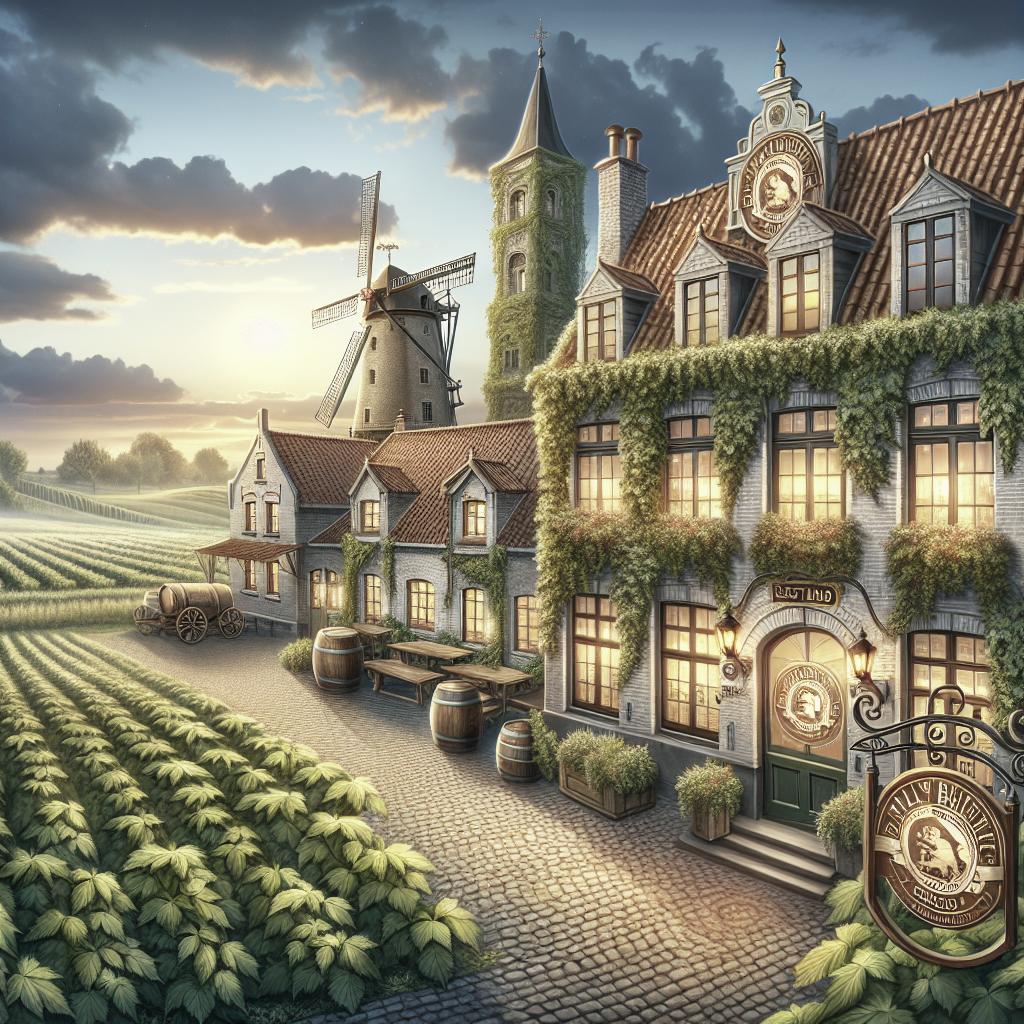
In the face of global uncertainties such as trade disruptions and pandemics, Belgian brewers are increasingly turning towards local sourcing and production. This localization trend suggests a stronger focus on community-oriented beers that celebrate regional ingredients and niches. Collaborating with local farmers not only supports the regional economy but also enhances the traceability and authenticity of the brews.
Local beers offer a unique sense of place and narrative that captivates consumers seeking more meaningful connections with their purchases. As global crises continue to influence supply chains and consumer behavior, this pivot towards locality ensures Belgian breweries maintain resilience while cultivating rich terroir-driven experiences.
5. Beer Merch and Variety Beer Packs Offer Sales Opportunities
Diversifying revenue streams through beer merchandise and variety packs is a notable trend in the Belgian brewing landscape. By offering branded merchandise, breweries maintain visibility and reinforce brand loyalty. Items like branded glassware, apparel, and accessories become touchpoints that foster community engagement and brand storytelling.
Furthermore, variety packs are gaining traction as they cater to consumers’ desire to explore and sample different beer styles without committing to a full six-pack. This approach enhances sales by appealing to adventurous consumers, promoting cross-tasting experiences, and introducing lesser-known brews within the brewer’s portfolio.
6. Taprooms Will Become Attractive Interactive Hubs
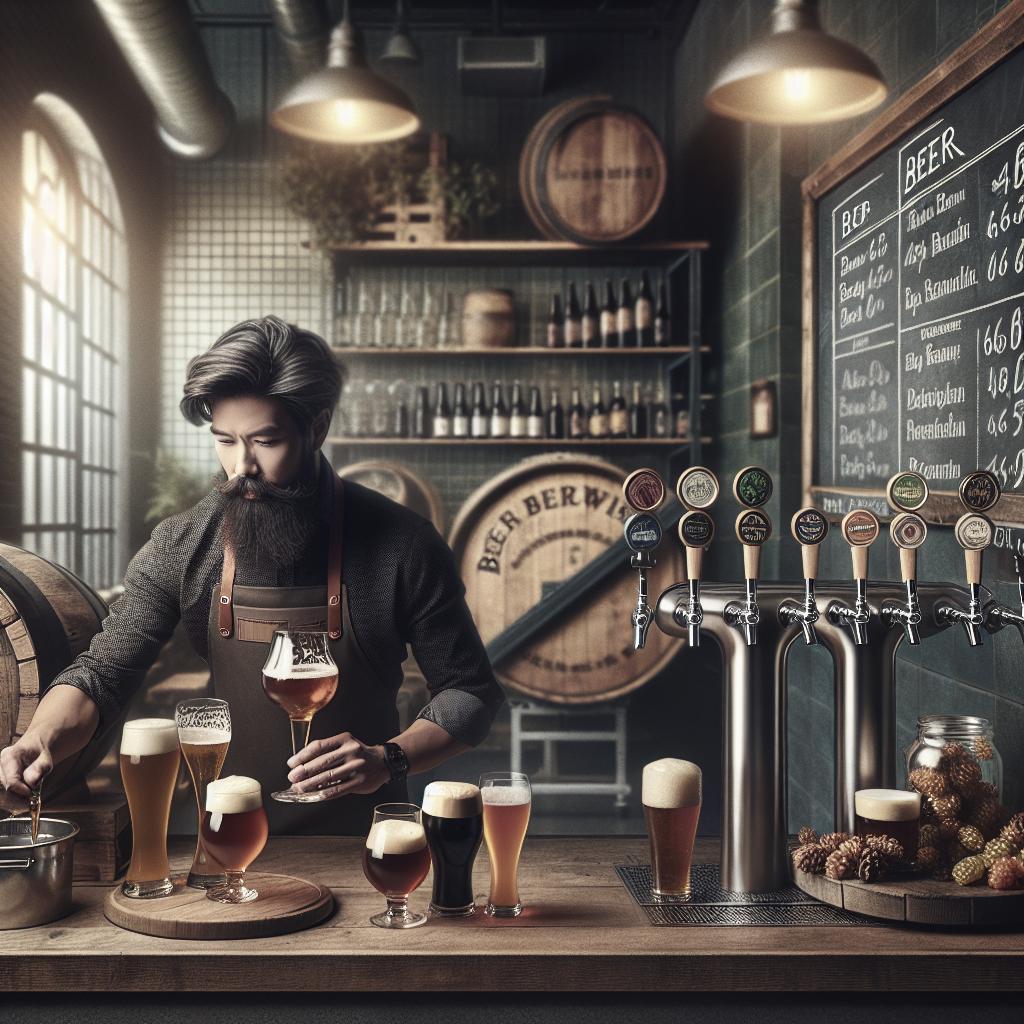
The concept of taprooms in Belgium is evolving beyond just a place to enjoy a beer; they’re becoming interactive community hubs. These spaces are increasingly designed to offer immersive experiences, including brewery tours, tasting sessions, and interactive events that engage the local community and tourists alike.
As taprooms seek to enhance the visitor journey, they expand on creating a strong communal atmosphere, inviting patrons to learn about the brewing process and fostering a deeper appreciation of Belgian beer culture. This evolution not only drives foot traffic but also strengthens the bond between breweries and their clientele, paving the way for enduring brand loyalty.
Dispatch
The transformation of taprooms into multifaceted centers aligns with a broader effort among Belgian breweries to not only craft exceptional brews but also enrich the cultural and social aspects of their offerings. Engaging with the community and leveraging digital tools ensures these breweries remain at the forefront of industry innovation.
Sign up for our award-winning newsletter.
Stay connected with the latest in Belgian brewing trends and enjoy exclusive insights, stories, and updates by signing up for our newsletter. Join a community of beer enthusiasts and industry leaders as we explore the future of Belgian brewing.
| Trend | Description |
|---|---|
| Value in Bulk Beer and Higher Alcohol Levels | Consumers opt for economical and flavorful beer choices, favoring higher ABV brews. |
| Focus on Specific Styles | Breweries refine products by specializing in certain styles, enhancing quality. |
| Reclaiming Carbon Dioxide | Eco-friendly practices capture CO2 for reuse, ensuring environmental sustainability and operational efficiency. |
| More Local Beers | Embrace of locality leads to community-focused brews with regional ingredients. |
| Beer Merch and Variety Packs | Merchandise and sample packs offer new revenue streams and consumer engagement. |
| Interactive Taprooms | Taprooms evolve into engaging hubs, enhancing experiences and fostering community ties. |
“`