“`html
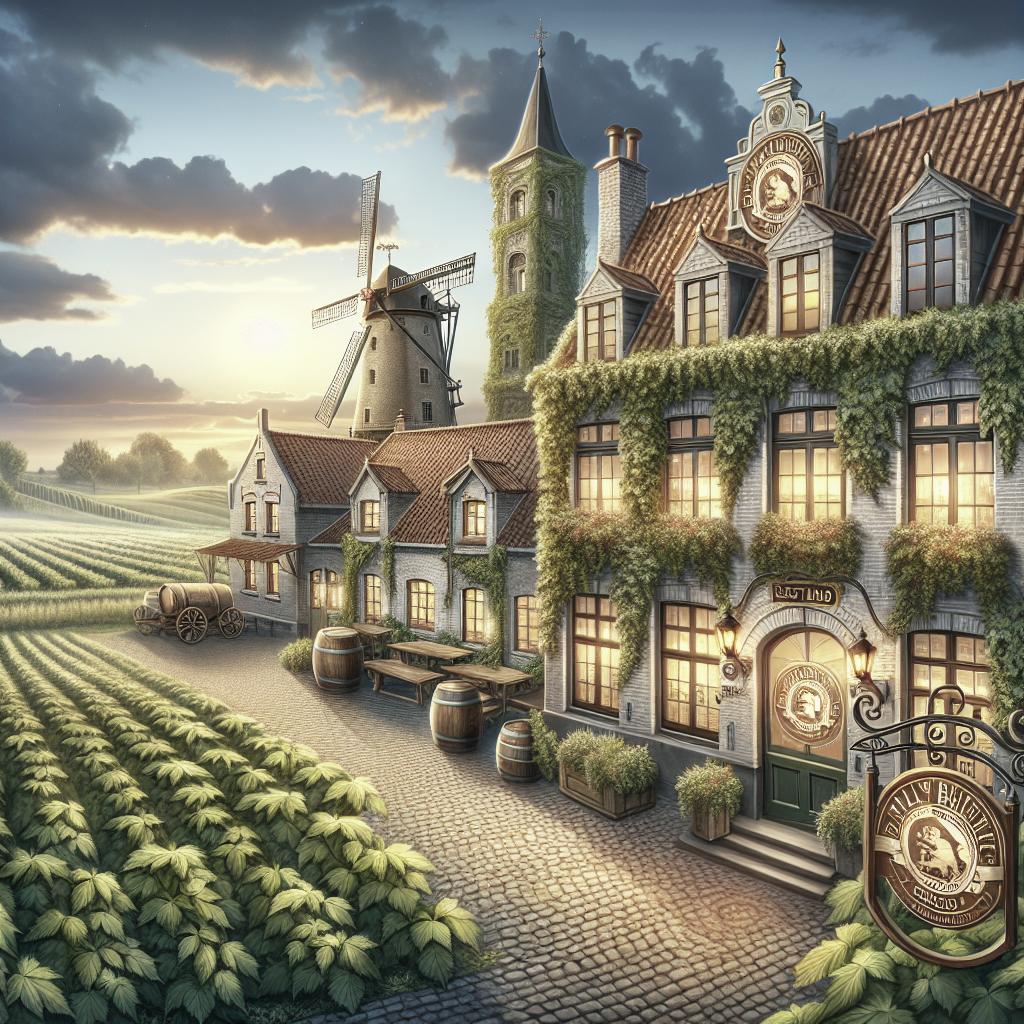
Belgium is synonymous with beer, offering a vast array of flavors and styles that have been perfected over centuries. This blog post delves into the fascinating world of Belgian beer craftsmanship. We will explore its rich history, intricate brewing processes, and unique quirks that set Belgian beer apart from others. Additionally, we will categorize the various types of Belgian beers ranging from ales to specialty options and spotlight some of the renowned brands and regions where you can enjoy them. Whether you’re a seasoned beer aficionado or a curious newcomer, understanding and appreciating Belgian beer can enrich your tasting experience.
What Is Belgian Beer?
Belgian beer is renowned worldwide for its remarkable variety and superior quality. From Trappist ales handcrafted in monasteries to innovative craft styles, Belgian beer encapsulates centuries of tradition and innovation. The country boasts over 1,500 original beer recipes, making it a true paradise for beer lovers with a penchant for both classic and experimental brews.
At the heart of Belgian beer is a dedication to tradition. Brewers often use unique regional ingredients such as specific yeast strains or local hops, which contribute to the distinct flavor profiles for which the beers are famous. Rarely replicated elsewhere, Belgian beer offers a unique tasting journey that’s both diverse and rooted in deep brewing knowledge and cultural heritage.
History of Belgian Beer
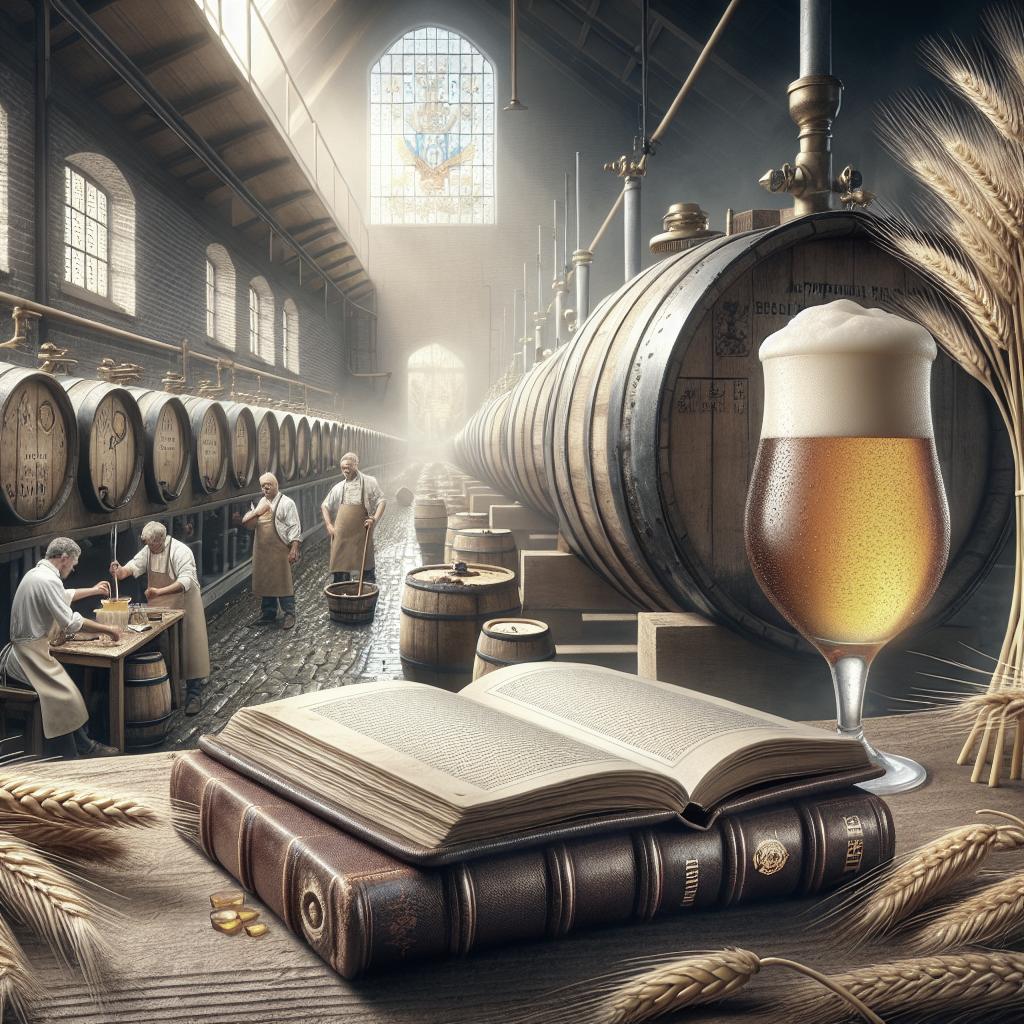
The history of Belgian beer stretches back over a thousand years, originating with the influence of monasteries in the Middle Ages. Monks brewing beer for self-sufficiency laid the foundation for what has become one of Belgium’s most cherished traditions. Today, six of the world’s eleven Trappist breweries are located in Belgium, each of which still adheres to age-old practices.
Over the centuries, Belgian beer has evolved alongside the country’s social and economic changes. From ancient brewing methods to embracing modern technology, Belgian beers integrate innovation while respecting historical significance. This evolution reflects the resilience and adaptability of Belgian brewers, ensuring timelessness for future generations of beer enthusiasts.
The Belgian Beer Brewing Process
The Belgian beer brewing process is celebrated for its meticulous attention to detail. Initially, traditional Belgian methods highly focus on the selection and fermentation of unique yeast strains, providing distinctive aromas and flavors distinct to the region. Each brewer’s yeast can be considered a closely guarded secret, with the fermentation process often being extended to unleash elaborate and complex tastes.
Beer Quirks
A notable quirk of the Belgian beer process is ‘bottle conditioning.’ Post-fermentation, sugars and yeast can be added directly to the bottle to trigger secondary fermentation, enhancing the beer’s depth and carbonation, providing the velvety smoothness that Belgian beers are cherished for. This method ensures that each bottle tastes uniquely perfect.
Another unique aspect is the open fermentation method used in making some Belgian beers. Beers are exposed to the surrounding air, capturing wild yeast and bacteria, which results in spontaneous fermentation, a method particular to the production of Belgian Lambics. This traditional practice is key to developing the intricate flavors found in sour beers.
Types of Belgian Beer
Ales
Belgian ales are possibly the most recognized category worldwide. Within this group, you find pale ales like Blonde and Golden Ales, known for their bright clarity and fruity aroma. The Duvel is a classic Golden Ale showcasing the fine balance of these distinctive characteristics.
There are also Dubbels and Tripels, names alluding to the ancient method of beer classification by malt weight. Dubbels are rich and malty, with hints of caramel and dark fruit, whereas Tripels are lighter and spicier, with golden color and higher alcohol content enhanced by robust yeast-driven flavors.
Wheat Beers
Belgian wheat beers, also known as Witbier or Bière Blanche, bring a refreshing twist to classic beer profiles. Made with a significant portion of wheat, they often have a hazy appearance and are spiced with coriander and orange peel for a zesty finish. Hoegaarden is an iconic example, famously known for its refreshing and slightly tart flavor.
These beers are particularly popular in the warmer months due to their light and invigorating taste. They offer a pleasant departure from the heavier body of typical ales, making them an excellent option for those new to Belgian beers.
Specialty Beers
Specialty beers are where Belgian craftsmanship truly shines, with brewers showcasing their creative flair. This category includes Kriek, a cherry-infused Lambic, which provides a tangy and mildly sweet experience usually enjoyed as an aperitif or dessert beer.
Saison, traditionally brewed to quench farmworkers’ thirst, is now a celebrated craft variety known for being crisp, peppery, and sometimes a little funky. Belgian specialty beers often push the boundaries, incorporating local fruits, spices, or barrel aging to craft exciting flavor experiences for adventurous palettes.
What Sets Belgian Beer Apart?
Belgian beer’s fame arises from its unparalleled variety and the meticulous craftsmanship behind each brew. This uniqueness also comes from Belgium’s traditional brewing practices that include high fermentation temperatures and minimal filtration, allowing rich yeast and malt flavors to shine through.
Authenticated styles like Trappist beers are brewed within monastery walls, characterized by their quality and crafted under strict guidelines that prioritize community welfare and charitable endeavors. In Belgium, brewing is an art that goes beyond commercial pursuits, embodying generations of culture and passion.
Popular Belgian Beer Brands
Belgium’s beer landscape is peppered with world-famous brands delivering unmatched flavors. Brands like Chimay and Westmalle produce authentic Trappist ales cherished by beer connoisseurs. Such beers offer complex tastes ranging from nutty to spicy, making them a centerpiece for appreciation by enthusiasts.
Regional Hotspots for Trying the Best Belgian Beers
Cities like Bruges and Brussels are two examples where you can experience Belgium’s rich beer culture firsthand, with family-run pubs and cafes offering an extensive range of local brews. The bustling atmosphere of Brussels provides an ideal backdrop for sampling urban-style craft beers whereas Bruges boasts romantic settings for quiet tastings.
Exploring Belgium’s regional hotspots allows visitors to discover the heartland of diverse Belgian beers. From lively beer festivals to quaint local breweries, each destination offers a unique taste of Belgium’s heritage.
The Belgian Beer Experience
Sampling Belgian beer is an experience that invites you to explore beyond tasting. Multi-sensory elements, such as the aroma, appearance, and glass style, all play essential roles in appreciating the beer. Traditional glassware enhances the enjoyment by concentrating flavors and aromas, adding another level to the beer-tasting ritual.
Leave a comment.
We hope this journey through the world of Belgian beer craftsmanship has sparked your interest in discovering more. Whether you’re reminiscing about a past visit or planning an exploration of your own, embracing the artistry behind Belgian beer can enrich your appreciation and enjoyment. As always, please feel free to leave a comment sharing your favorite Belgian beer experience or any insights you may have regarding this beautiful tradition. Cheers to Belgian beer!
Future Prospects: Summary Table
| Section | Summary |
|---|---|
| What Is Belgian Beer? | Introduction to the hallmark features and variety of Belgian beer. |
| History of Belgian Beer | An overview of brewing origins, evolution, and traditions. |
| The Belgian Beer Brewing Process | Discussion of unique techniques like bottle conditioning and open fermentation. |
| Types of Belgian Beer | Description of ales, wheat beers, and specialty beers. |
| What Sets Belgian Beer Apart? | Factors contributing to the unique and diverse beer culture. |
| Popular Belgian Beer Brands | Highlights of major brands and the regions famous for beer. |
| The Belgian Beer Experience | Exploration of the sensory beer-tasting experience. |
“`