“`html
Techniques for Aging Belgian Beer
Belgian beers are renowned for their complex flavors and unique aging potential. Aging beer successfully requires an understanding of the chemistry behind the process, as well as attention to detail in brewing and storage. This guide explores the techniques for aging Belgian beer, offering insights into how vintage beers develop over time, the basic rules for effective aging, and the intricacies involved in brewing and fermentation. Whether you’re a homebrewer or a connoisseur, these pointers will help enhance your beer-aging experience and yield truly exceptional results.
How Vintage Beers Age
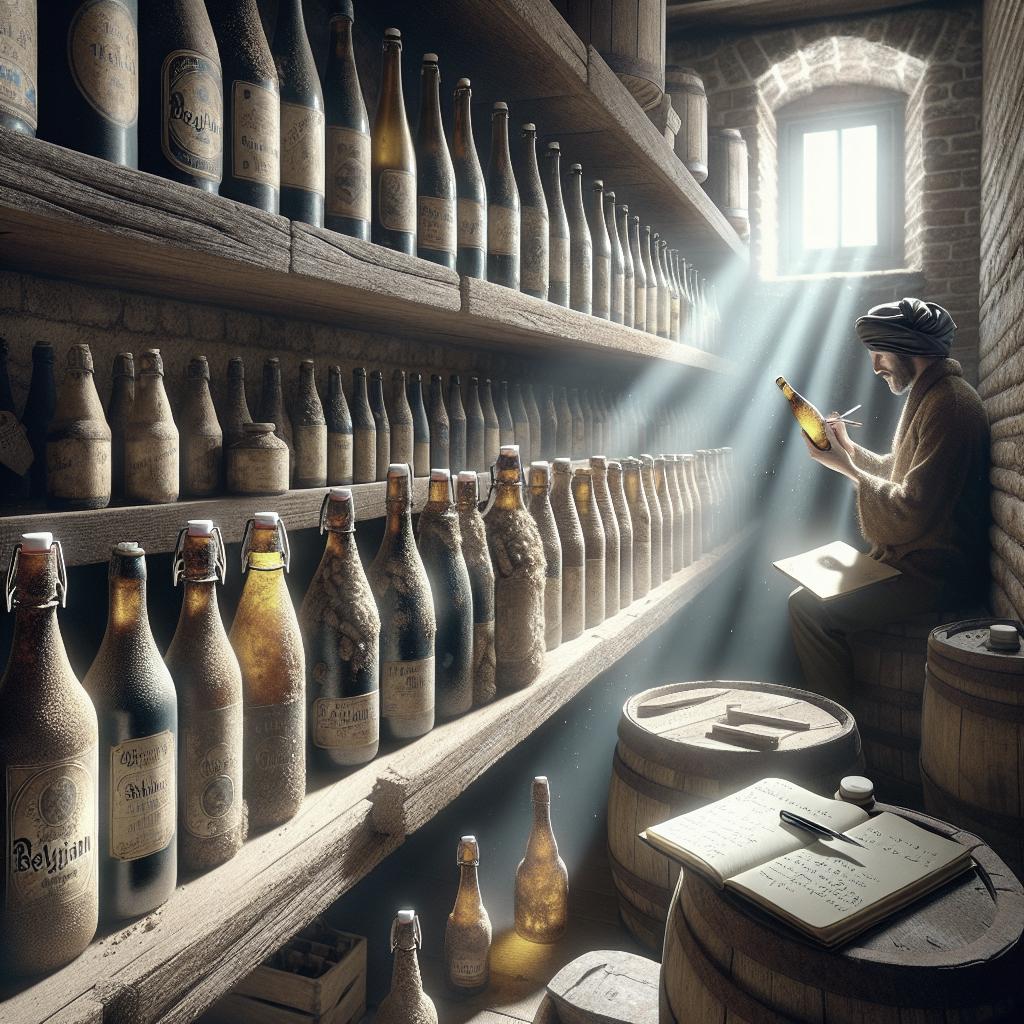
When beer is aged, it undergoes intricate chemical changes that can greatly alter its flavor profile. In Belgian beers, this transformation tends to enhance their characteristic fruity and spicy notes while mellowing alcohol harshness. Aging allows the interaction between the residual sugars, alcohol, and yeast by-products, resulting in increased complexity.
These conditions are particularly favorable for Belgian styles such as lambics, saisons, and quads, which often contain wild yeast strains and bacteria. As they age, these beers develop nuanced profiles that make them highly sought after by enthusiasts seeking distinct and rare taste experiences.
Some Basic Rules to Follow
The key to successful beer aging is often the temperature, which should be consistently maintained between 50 to 60°F. Exposure to light should be minimized to prevent oxidation and lightstruck flavors, which can negatively impact the beer’s taste. Storing bottles upright helps to limit oxidation and sediment dispersion.
Aged beers are typically higher in alcohol, as this acts as a natural preservative, offering protection against spoilage over time. Patience is another essential component; aged Belgian beers can take months or even years to reach their peak, rewarding those willing to wait with richer, more rounded flavors.
Formulating a Recipe
When formulating a recipe for a beer intended for aging, selecting the right ingredients is critical. Complex malt bills complemented by a measured hop presence support flavor development over time. Belgian yeast strains known for dynamic activity can foster the creation of esters and phenols that continue to evolve as the beer ages.
Incorporating adjuncts such as spices, fruits, or sugars can also add layers of flavor to the finished beer. Careful consideration of these ingredients ensures that they will balance the beer’s profile, not overshadow the core flavors, and integrate harmoniously as the beer matures.
Brew Day
On brew day, precision is key. Ensuring a clean and sterile environment minimizes the risk of contamination, safeguarding the beer throughout its aging process. An effective mash regime maximizes sugar extraction, establishing a solid base for fermentation and integration of flavors.
Attention to detail during boiling and hop additions will aid in creating a stable foundation, where aromas and bitterness establish themselves. By precisely timing the introduction of spices or fruits, brewers can ensure deeper integration of these flavors into the beer, enhancing the aging potential.
Fermentation & Packaging
Fermentation plays a pivotal role in setting the stage for aging. For Belgian beers, temperature control ensures yeast activity is optimized for the production of desirable characteristics. Slow and gradual fermentation results in a more stable and flavourful beer that will age gracefully.
Packaging is equally vital as the fermentation process. Bottles must be sanitized thoroughly, and an adequate seal ensures minimal oxidation exposure. Bottle conditioning further complements the aging process by naturally carbonating the beer, adding a touch of elegance to its presentation.
Previous Posts in This Series
- Exploring the Profiles of Belgian Beers
- The Art of Yeast Cultivation
- Understanding Belgian Beer Styles
Share this:
Share this post with fellow beer enthusiasts on social platforms!
Like this:
If you appreciated this post, show us some love and click the like button below!
Related
- Barrel Aging: Capturing the Essence of Wood
- The Influence of Spices in Brewing
- Homebrewing Tips for Beginners
Next Steps
| Aspect | Overview |
|---|---|
| How Vintage Beers Age | Flavor profiles evolve as chemical interactions increase complexity. |
| Some Basic Rules to Follow | Consistent temperature, minimal light, high alcohol content, and patience are key. |
| Formulating a Recipe | Choose complex malts, dynamic yeast strains, and balanced adjuncts. |
| Brew Day | Precision in cleanliness, mashing, boiling, and ingredient timing. |
| Fermentation & Packaging | Focus on temperature control, bottle conditioning, and oxidation protection. |
“`