“`html
How to Support Sustainable Brewing in Belgium
As concerns over environmental impact and sustainability continue to grow, many industries are striving to become more eco-friendly. The brewing industry in Belgium, known for its rich and diverse beer culture, is no exception. This blog post explores how breweries can support sustainable brewing, offering insights into practices adopted by successful breweries like Allagash and New Belgium. From becoming a certified B Corp to advocating for climate policies, we’ll delve into actionable steps to promote green practices while maintaining brewing excellence. Whether you are a small craft brewery or a large-scale establishment, these strategies will help reduce your environmental footprint and inspire a more sustainable future in brewing.
Switching to Ollie Is Easier Than You Think
Ollie is a comprehensive brewery management software that streamlines operations, making it simpler for brewers to adopt sustainable practices. Transitioning to this technology can initially seem daunting, but it eases the workflow by integrating seamlessly with existing systems. Ollie not only enhances operational efficiency but also aids in tracking sustainability efforts, which can lead to significant waste reduction over time.
With Ollie, breweries gain insights into areas where material and energy consumption can be minimized. Whether managing inventory, scheduling production, or monitoring resource use, the software’s robust features simplify complex processes. The switch to Ollie can thus be a pivotal first step for Belgian breweries aiming to make eco-friendly transitions without compromising on the quality of their brews.
Why Your Brewery Should Care About Being Green
Embracing sustainable practices is about more than reducing carbon footprint; it’s a commitment to the environment and future generations. Belgian breweries have a unique heritage and standing in the world beer market, making them ideally positioned to lead by example in sustainability. By prioritizing green initiatives, breweries can attract environmentally conscious consumers who are increasingly basing purchasing decisions on a company’s eco-credentials.
Investing in sustainable practices also offers economic benefits. While there may be initial costs, the long-term savings on resources and energy can be significant. Moreover, adherence to sustainability can shield breweries from potential regulatory penalties as environmental legislation becomes more stringent. In essence, going green not only protects the planet but also future-proofs businesses against evolving market conditions.
Four Ways Allagash Makes Its Brewery More Sustainable at the Local Level
1. Become a Certified B Corp
Achieving B Corp certification involves meeting rigorous standards of social and environmental performance. This certification underscores a brewery’s commitment to social responsibility, which can enhance public perception and trust. Allagash Brewing has successfully navigated this process, serving as an inspiration for Belgian breweries to follow suit in demonstrating environmental stewardship.
The certification process requires accountability and transparency, pushing companies to continuously improve their practices. By becoming a B Corp, a brewery essentially commits to placing equal emphasis on people, planet, and profit, thus intertwining sustainability with its core business strategy.
2. Create a Green Team
A dedicated Green Team can drive sustainability efforts with focused energy and passion. Allagash Brewing exemplifies this approach by bringing together employees from various departments to brainstorm and implement green initiatives. This team can be instrumental in identifying inefficiencies and devising innovative ways to tackle them, whether they pertain to energy use, waste management, or resource conservation.
Forming such a team can create a culture of sustainability within the brewery, fostering employee engagement and participation. It empowers staff to take ownership of projects and cultivate new ideas, making sustainability a collective mission rather than a top-down directive.
3. Start a Recycling Co-Op
Recycling initiatives can significantly reduce the waste output of a brewery, and setting up a co-op allows for communal efforts in waste management. Allagash’s recycling co-op initiative brings together nearby businesses to enhance recycling effectiveness and share resources. Such collaborations amplify impact and reduce costs associated with waste disposal.
Belgian breweries can replicate this model by partnering with local businesses, enhancing the scope of their recycling efforts. Engaging in co-op structures not only solidifies community ties but also creates a network of shared goals and environmental accountability.
4. Reduce Water Use However You Can
Water conservation is crucial in brewing. Allagash prioritizes reducing water usage by improving operational efficiency and investing in water-saving technologies. Simple measures such as optimizing cleaning processes or adopting closed-loop systems can result in significant water savings without compromising production quality.
Belgian breweries can focus on similar strategies, monitoring their water usage closely and exploring innovative tools to decrease wastage. Emphasizing water conservation underscores a brewery’s dedication to preserving one of the planet’s most precious resources.
Three Ways New Belgium Makes Its Brewery More Sustainable at the National Level
Advocate for Climate Policies at the Legislative Level
New Belgium Brewery plays an active role in advocating for climate-friendly policies. Engaging in policy advocacy can influence decision-making processes and lead to more sustainable industry standards. Breweries should consider aligning with organizations that champion green policies and lending their voices to influential debates and legislative efforts.
Belgian breweries can take similar actions by participating in local and national dialogues on climate policies. By doing so, they not only position themselves as leaders in sustainable brewing but also help shape a regulatory environment that benefits both businesses and the ecosystem.
Invest in Wind Power and Other Renewable Energy Sources
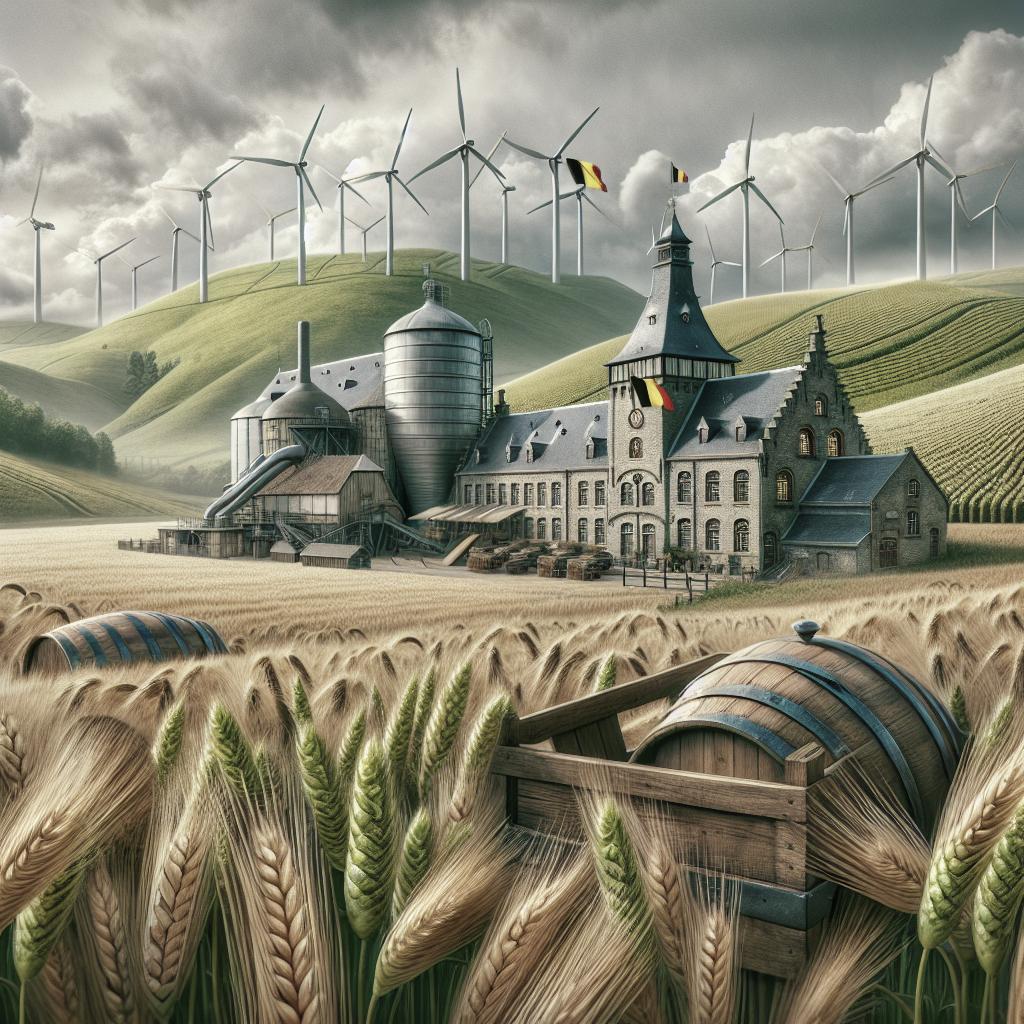
Transitioning to renewable energy is a powerful step towards sustainability. New Belgium Brewery has made significant strides in this area by investing in wind power to offset their carbon emissions. Employing renewable energy sources reduces reliance on fossil fuels and lessens environmental impact, while potentially lowering energy costs over time.
Belgian breweries, by evaluating their energy consumption and adopting renewable sources, can significantly reduce their carbon footprints. Government incentives and technological advancements now make such transitions more accessible than ever before.
Download New Belgium’s Own Sustainability Handbook
New Belgium has compiled their sustainability practices into a comprehensive handbook, available for others to download. This guide provides valuable insights into the brewery’s strategic approach towards sustainability. It serves as a practical resource for breweries looking to develop or enhance their own green strategies.
Belgian breweries can utilize such resources to learn from established practices and tailor them to their unique contexts. By leveraging existing knowledge, breweries can accelerate their sustainability journey, fostering a broader culture of environmental responsibility within the industry.
Brewing Beer Is Technical – Ollie Makes It Consistent
Producing high-quality beer is as much about consistency as it is about creativity. Ollie’s platform offers brewers a suite of tools designed to maintain consistency across batches, ensuring standardization while allowing room for innovation. By optimizing production processes, brewers can minimize waste and achieve uniform quality, integral to sustainable brewing.
For Belgian breweries, adopting Ollie’s technology not only enhances operational efficiency but also supports sustainable goals. It aligns operational excellence with ecological responsibility, proving that technological advancement can go hand-in-hand with tradition.
About The Author
Sarah Buckholtz
Sarah Buckholtz is a seasoned writer specializing in sustainable practices within the beverage industry. With a deep passion for eco-friendly innovations, Sarah focuses on uncovering and sharing best practices for industries transitioning towards sustainability. Her articles are respected for their depth of research and practical insights, aiding businesses in their path to greener futures.
Lessons Learned
| Strategy | Description |
|---|---|
| Switching to Ollie | Enhances operations with integrated management, promoting efficient and eco-friendly brewing processes. |
| Why Being Green Matters | Combines environmental responsibility with economic benefits, attracting eco-conscious consumers while securing long-term savings. |
| Allagash’s Local Initiatives | Includes becoming a B Corp, forming a Green Team, starting a recycling co-op, and reducing water usage. |
| New Belgium’s National Efforts | Includes advocating for climate policies, investing in renewable energy, and sharing their sustainability handbook. |
“`